

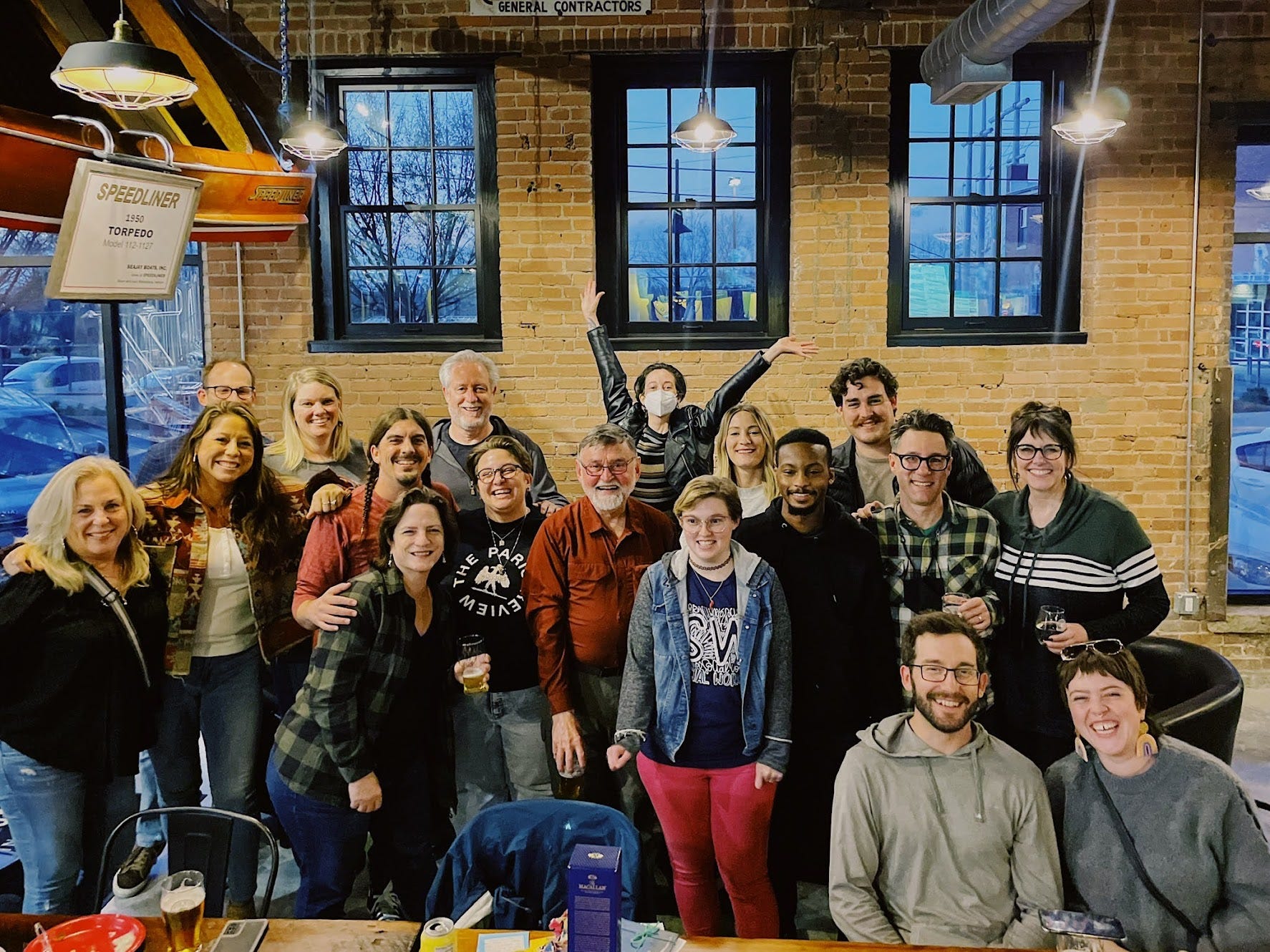
At the moment I am in Edinburgh, Scotland where later this weekend I will officiate at a destination wedding for a couple from Kansas City. They are friends from an idyllic time when I lived in an apartment in the River Market downtown. The people in my building and friends of theirs in the area bonded into a community.
Preparing for this wedding has triggered lots of memories about weddings, the couples whose weddings I have done, pre-marital counseling, counseling married couples, working with youth who often struggled with romantic relationships and friend relationships. Relationship building and sustaining is one of the central jobs that comes with being a human. Surviving without other people can be done as in the stranded-on-a -desert-island stories, but the rest of us at some point want/need other people. We are wired for it.
I lament that I have not found a copy of the assessment sheet I used with couples in preparation for the wedding so I am just relying on my memory. It provided discussion starters to help me get to know them better and helped surface similarities and differences between them revealing strengths and challenges. Later in my ministry almost all of the couples had been living together for anywhere from weeks to a decade before they planned the wedding. One couple already had six children. Even though I am using the word counseling to describe the interactions, they are more like coaching. I have no interest in telling people what to do. My goal is to listen as effectively as I can, helping them tease out what they value and what they want to be so in their lives, offering whatever I have discovered in my decades of life that might help inform whatever decision they make. The decision is theirs to make, not mine. They have to live with the consequences of their decision.
When we met for the pre-marital counseling sessions, they had already decided to marry and the wedding was scheduled. That decision was made. The tool I used asked each person to indicate where they thought they were on a continuum of very much so to not at all in a particular area, and then to indicate where they thought their partner was on the same continuum. I asked them to fill it out in advance in separate locations without consulting one another. One continuum was about anger. I used that one to inquire of each, how do you want your partner to respond when you are angry or upset, talk it out right away, or wait and allow time to cool down and think about it before trying to work through it. I used that conversation to encourage using “I statements,” saying this is what I felt when that happened or was said. The goal was to avoid blame and defensiveness and talk about it objectively to discover what lay behind the feeling. Some of the items on the assessment related to times they felt sad, times they were excited, asking how they would like their partner to respond.
Most of the differences were things they had already talked about, resolving some and just accepting others. I spent a lot of time talking with them about listening effectively. I described the challenge of making space for the other person, the need to stop thinking about what you will say next long enough to actually hear what the other was saying. Then saying back to them for clarification what you understood them to be saying. In that conversation, I encouraged them to say out loud what they were feeling rather than making their partner guess what they are feeling. I encouraged them not to assume they know what the other person is feeling, but rather to check it out. The central challenge is to share feelings without blaming your partner for what you are feeling. Not every problem can be resolved. That is an unrealistic expectation. There are no perfect marriages, nor are their perfect partners in them.
We talked about relationships with each other’s families. Where will they spend Thanksgiving and Christmas? I cautioned them to work hard to balance those decisions, recognizing how visceral feelings can be concerning important celebrations. One of the continuums asked about how they felt about each other’s friends. In that conversation I always pulled out the well-worn analogy of a tent held up by stakes. No one person can fill all the emotional and psychic needs of another. To expect that of a partner is not only unrealistic but destructive. Each of us needs a support community of our own, family members, co-workers, long time friends, acquaintances to maintain our equilibrium, and having friends in common, other couples, helps support the relationship. I always added the caveat that when a particular friendship draws the partners away from one another, it is worthy attention and conversation.
One of the issues that marriage counseling has surfaced for me is that people grow and change over the years. Ten or twenty years into the marriage, each partner is not the same person they were on their wedding day or the time their relationship began. A relationship is not time specific. It is a living organism that needs attention and nourishment. Listening, paying attention, cheering one another on as each one grows and changes keeps the relationship alive and growing. A box of candy and a bouquet of flowers on Valentine’s Day is a lovely gesture, but the flowers soon dry up and the candy is gone in short order.
One of the items on the assessment asks how dominating they are and how dominating they perceive their partner to be. After they talked about it for a bit, I oversimplified the matter. I said to them, if you get your way all the time, you will lose. The other person will very likely end up resenting you. Not speaking up for yourself will not protect the relationship, but harm it in the long run.
I have lived long enough to have spoken with people whose weddings I did many decades ago. On occasion they have mentioned something they heard me say in the premarital counseling sessions. What I said and did in the pre-marital sessions is not what shaped those marriages/partnerships. The choices those people made and the love and commitment they brought to the relationships day by day and year by year that ultimately decided how things went.
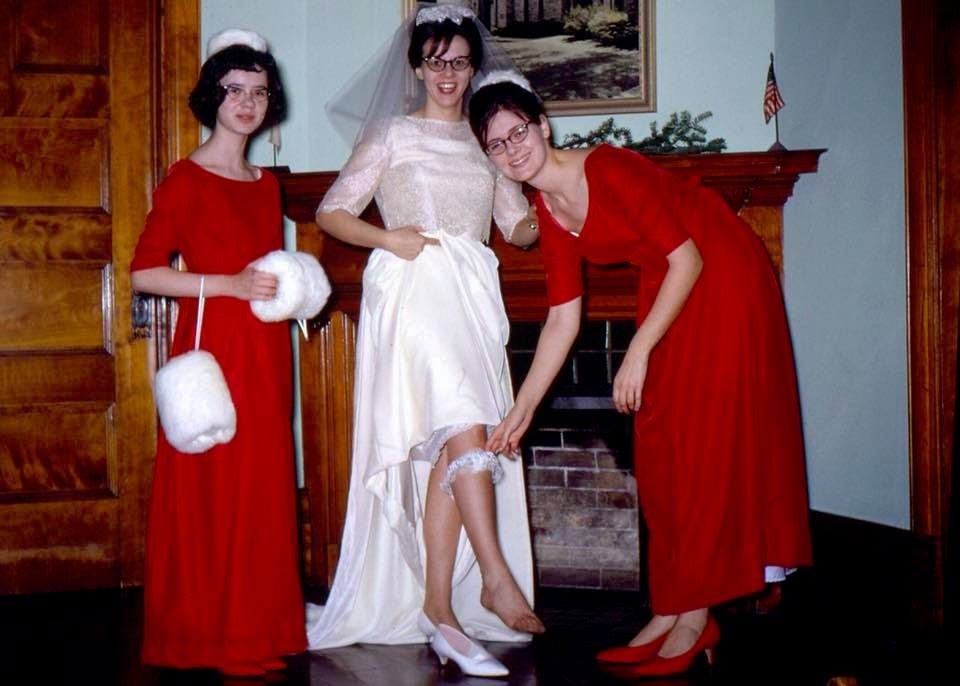
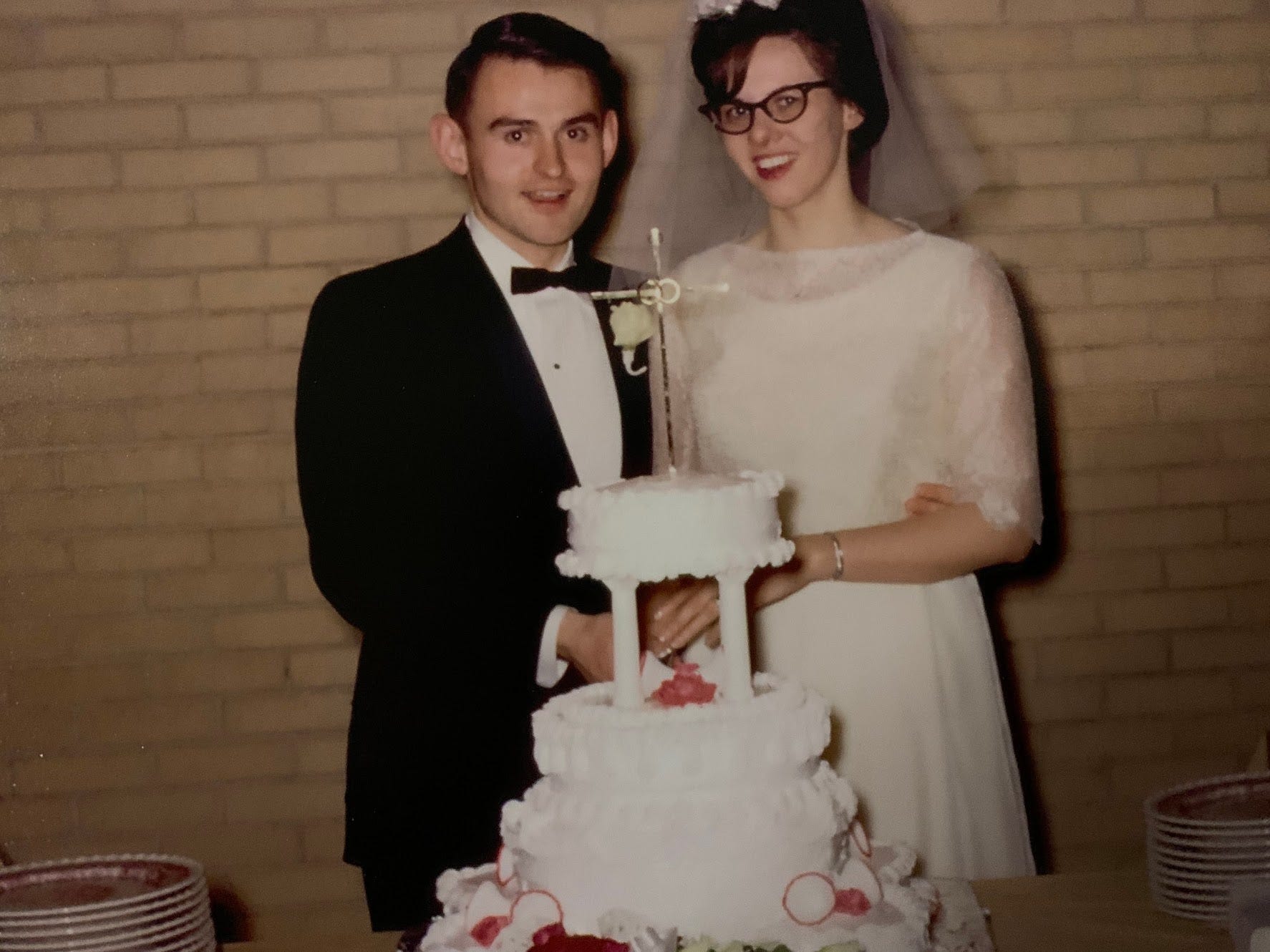
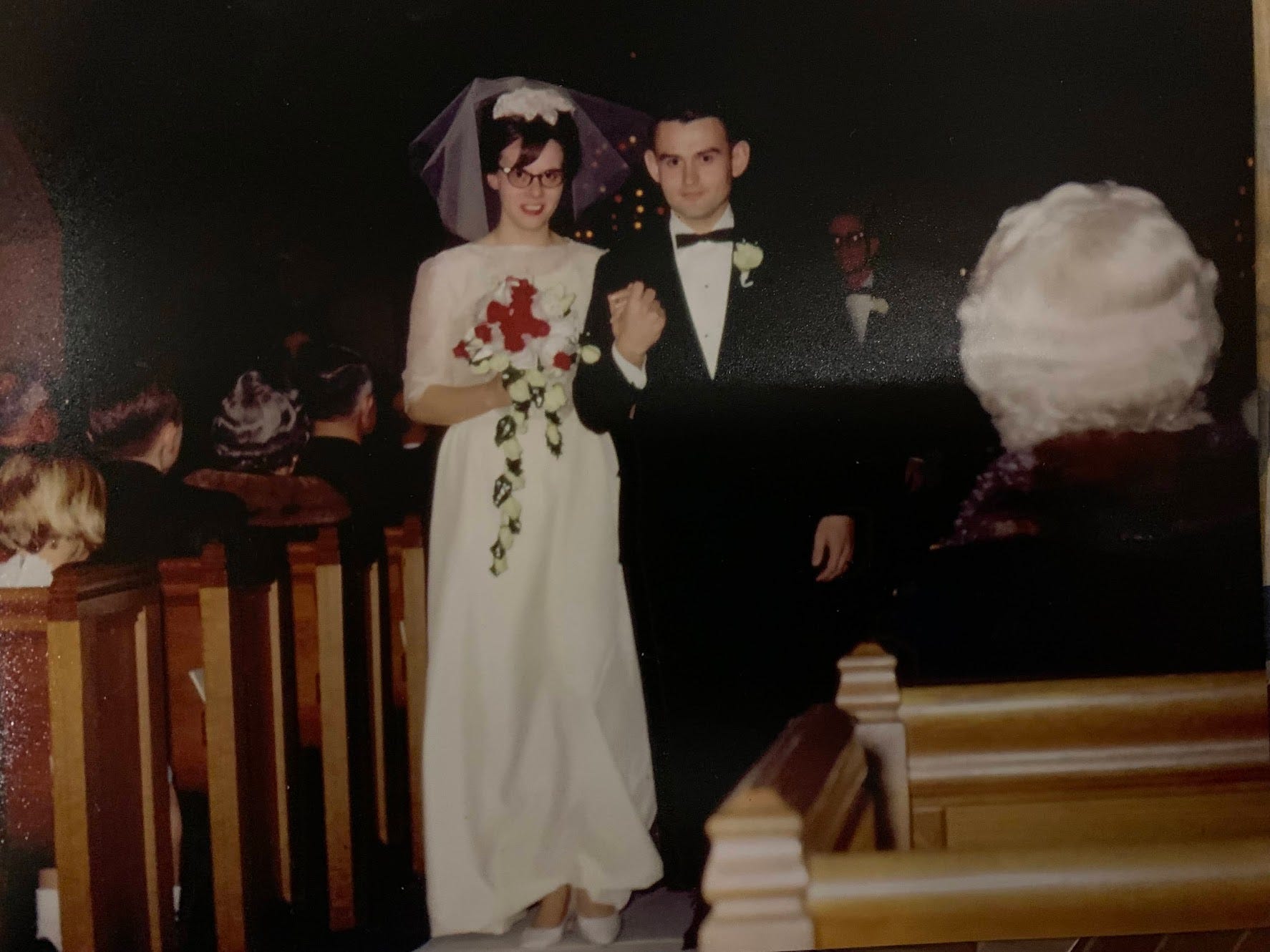
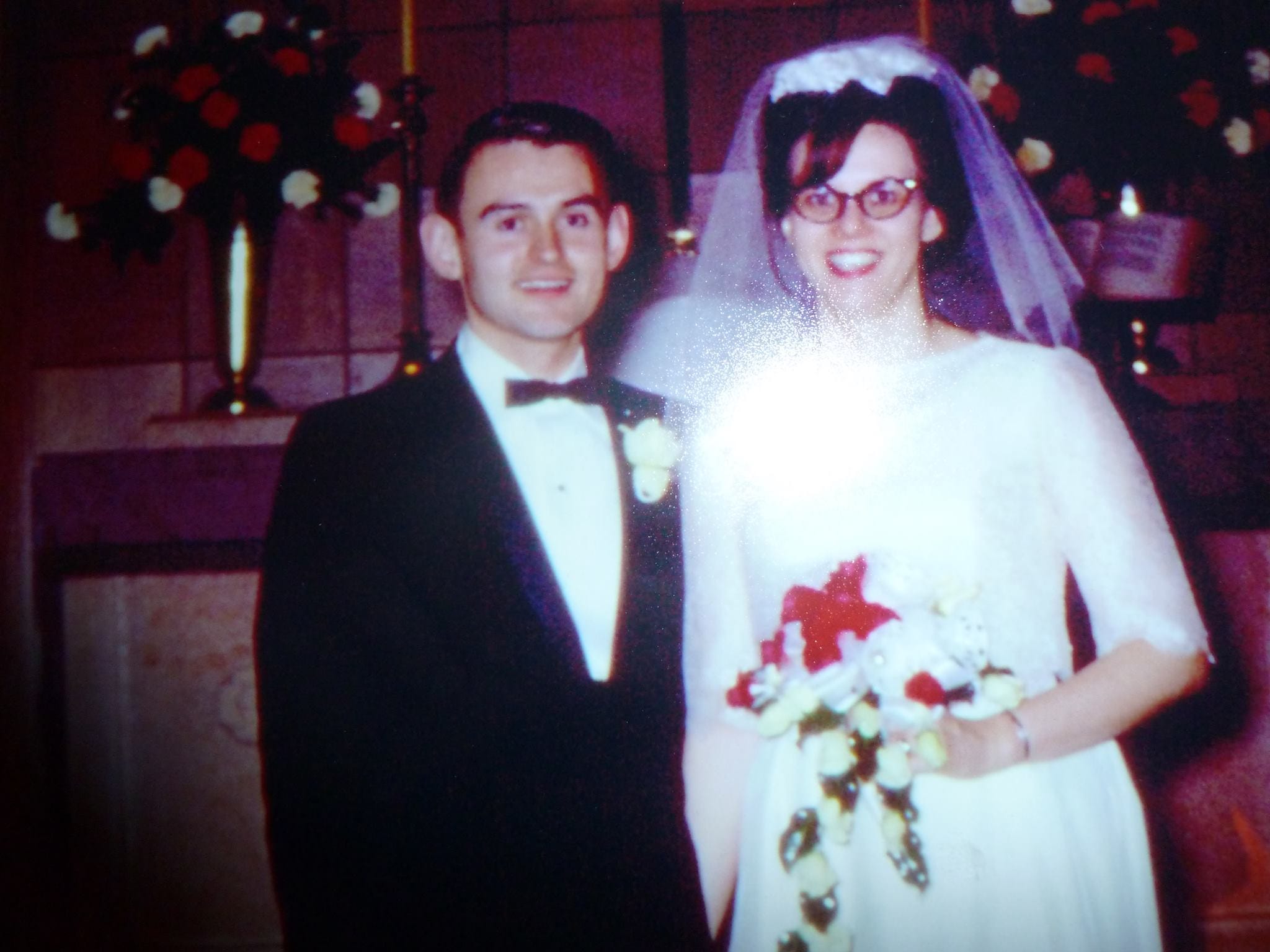
Mary Ann and I dated for over three years before getting married, and that marriage lasted for almost forty-five years until she died in 2010. Our marriage was not perfect. That is not an option. For the times of struggle, our mantra was “I love you anyway.” As a result, the challenges we met drew us together, allowing the love ultimately to grow stronger than we could have imagined possible on the day we married.
The Destination is Now,
Peter